
Family Ties
FAMILY TIES
Families in the Panama Canal Museum Collection with unique connections to the Panama Railroad

This exploration celebrates a select few of the families with unique connections to the Panama Railroad and who left their own small mark on life, work, and history at the Panama Canal. It is a companion to the 2024 exhibitions Track Changes and Panama Crossing. Track Changes was originally on display in our Albert H. Nahmad Gallery and Panama Crossing was displayed at the 2024 Panama Canal Society Reunion.
By: Betsy Bemis, 2026

womack
The Womack Family
The Womack family has ties to some legendary bits of Panama’s history. Benjamin Womack came to Panama in May 1907 and worked as a conductor for the Panama Railroad during the construction of the Panama Canal. According to his service record, he worked in the Culebra Division.

When prohibition in the United States ended his brothers’ whiskey business in Tennessee, Benjamin opened the Womack American Whiskey Company and started producing the Agewood Whiskey in Panama. Legend has it that Agewood made the best Manhattans. There are also tales of mixing it with coconut water or orange crush.

Agewood Whiskey sponsored numerous sporting groups including teams in cricket, bowling, baseball, and basketball.
Left: Gift of Lou Womack


Benjamin’s son, Lyle Womack, built and ran the famous El Rancho Beer Garden in Panama City. It opened on November 1, 1934 and was a celebrated spot to spend an evening.
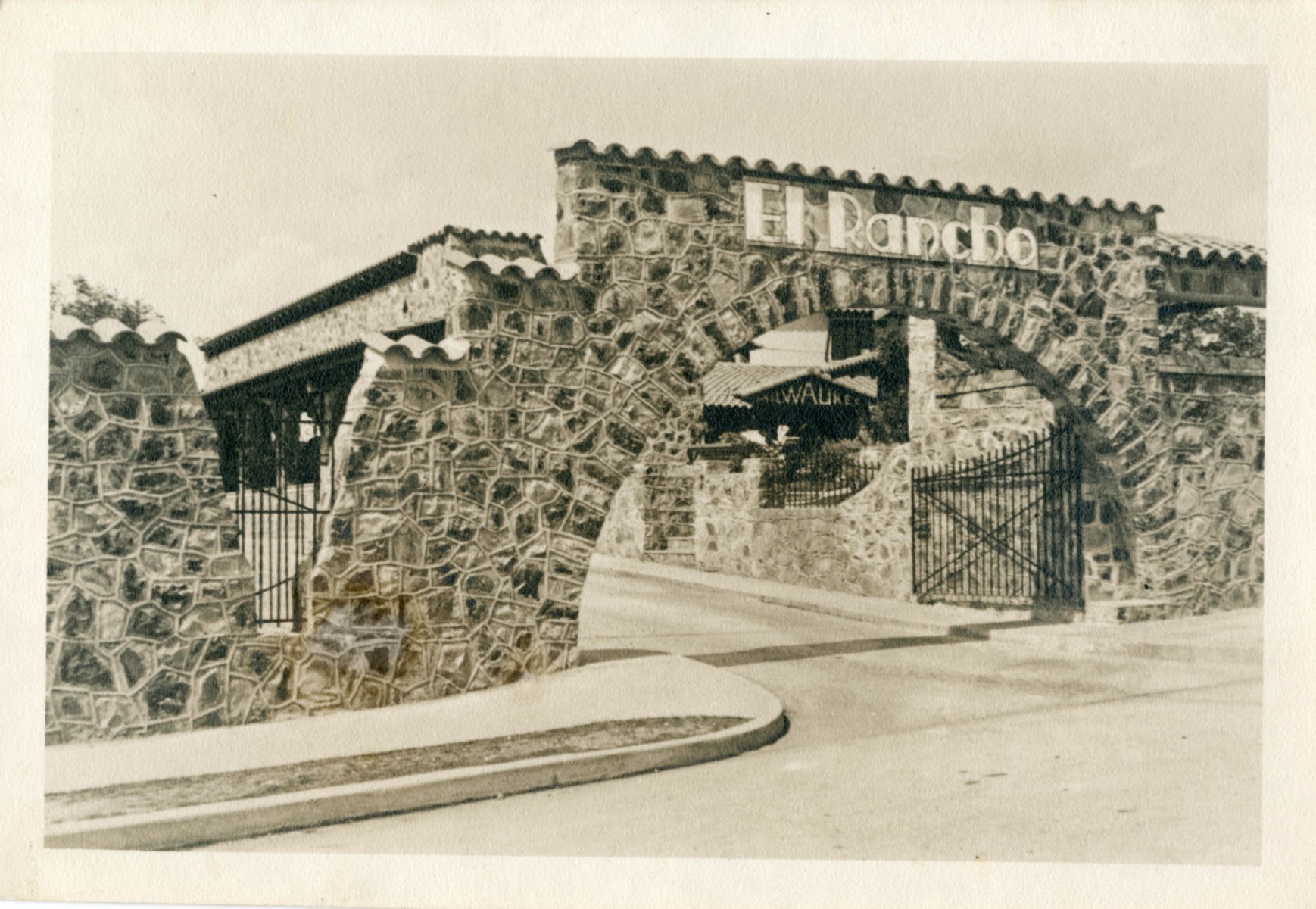

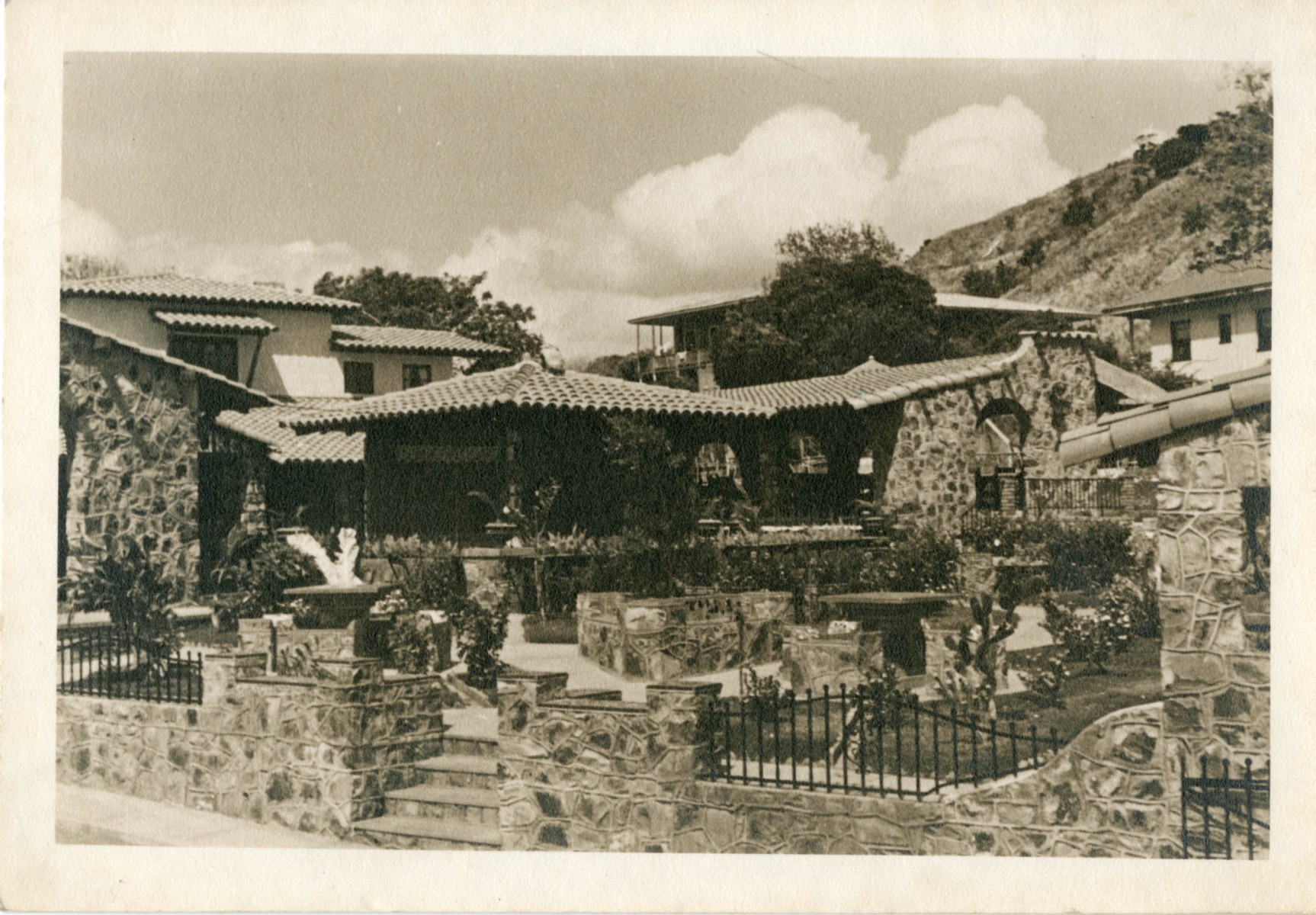
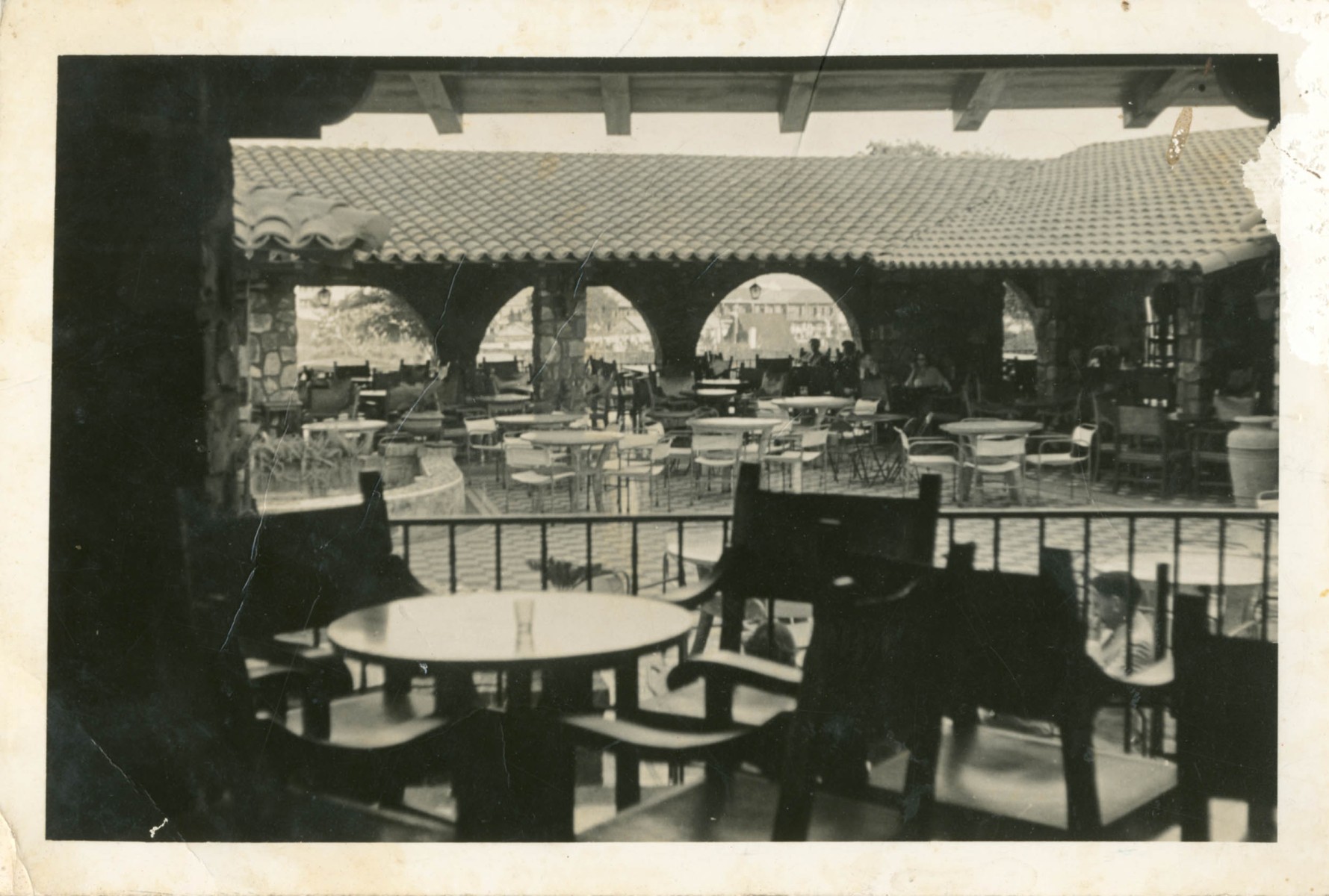

It hosted revelre, fashion shows, and sponsored evenings for U.S. soldiers stationed in Panama during World War II.


In an oral history interview, Lyle’s daughter Lila Lou shared how much hosting those military men meant to her Uncle Marty (Martin Tucker) who had taken over operations at that time. He was so inspired by them that he joined the Marines, sadly losing his life in Okinawa.


Agewood Whiskey and El Rancho, two iconic elements of the “good life” in Panama – all thanks to the Panama Railroad!
All Womack family and El Rancho materials were a gift of Lou Womack.

Stilson
The Stilson Family
One of the oldest sets of materials that we have in the Panama Canal Museum Collection preserves the long history of the Stilson family in Panama, and the multiple generations of their work on the Panama Railroad.


Charles H. Stilson arrived in Panama in 1863 seeking work on the Panama Railroad, recently completed in 1855. His wife and children followed him a few years later. He worked as a conductor on the railroad for 14 years until his sudden death at Gatun Station. His eldest sons, Frankie and Charlie, also worked for the railroad at Gatun. Frankie was a ticket agent and telegraph operator, but Charlie’s job is unknown. Sadly, both young men died of Yellow Fever in their twenties.
Charles controlled large tracts of land near Gatun, and lived there in a French era house during the dry season. He and his wife Martha were known for the parties they held. For many they would hire a special train to bring guests from Aspinwall (Colón).

An article in the March 17, 1876 issue of the Daily Star and Herald, describes a moonlight picnic held in honor of a Lenten lunar eclipse that was attended by many guests who danced the night away to the sounds of the “celebrated Paganini’s band.”

Joseph H. Stilson Jr., Charles H. Stilson’s grandson, began his 33 years of service with the Panama Railroad as a record clerk at the Colón Station in 1909. Louis A. Stilson started in 1911 as a wireman on the railroad and later became a steam engineer.
It must have been Joseph Jr. or Louis mentioned on this list of errors in the payroll in May 1915 as being underpaid by 9 hours.

Errors on the rolls of May 1915. Gift of Ted and Patsy Norris. 2000.029.126

From the Stilson Family Papers.

Johnson/Bensen
The Johnson (Bensen) Family
Herschel Johnson’s father was a railroad man in the United States and so was he. In 1931, Herschel and his young family moved to the Isthmus and Herschel took at job as a track foreman on the Panama Railroad. His daughter Ethel Jeanne Johnson (later Bensen) was only three years old.

Jeanne grew up in the Canal Zone, graduated from Balboa High School in 1946, and attended Canal Zone Junior College. She was an artist, editor, played volleyball, and was a member of the Victory Corps during World War II, an event which undoubtedly dominated her life during that time.
Left: BHS Zonian Yearbook, 1946. Jeanne Johnson (Bensen) is at the bottom right.
Jeanne joined the Canal enterprise in 1952 and after only a few months found her way to the Panama Railroad. She worked in the manager’s office and her duties included scheduling of all routine and special reservations of seats, cars, and entire trains.
Right: Spillway, January 7, 1977

In 1979 she was honored by the International Boy Scouts of the Canal Zone with the Thanks Badge in recognition of her support of the organization over the years. In her acceptance she stated that she did so in the name of the Panama Railroad since many members of the organization had made it possible for her to extend her assistance to the Scouts.

One year earlier, in 1978, Jeanne, by then Jeanne Bensen, had received another honor, this one from the Panama Railroad itself.
A new caboose, railroad car no. 98, was named the “Jeanne B.” At that time, Jeanne was the hightest-ranking female employee in the Railroad Division. The red, white, and blue car read “Gracias Por Embarcarlo por Ferrocarril” (Thanks for Shipping It By Rail) on the side.
Left: Dedication Ceremony of the Jeanne B. II.2024.38.1.10. Gift of Don Bensen.


In 2024, the same year that Ethel Jeanne (Johnson) Bensen was featured in our exhibit Panama Crossing at the Panama Canal Society Reunion, Jeanne’s son Don Bensen, with no prior knowledge of his mother’s inclusion in the exhibit, approached us at the Reunion to donate a number of photographs of the dedication ceremony of the Jeanne B. It was a wonderful moment of kismit.


hartley
The Hartley Family
At least one Hartley was on the payrolls of the Panama Railroad for much of the 20th century – Luther Hartley from c.1910 – 1954 and Gornett Hartley, Luther’s son from 1939 – 1980s.

Luther Hartley was born in the early 1890s to Jamaican parents who came to Panama seeking better opportunities. Luther joined the ranks working on the Panama Railroad when he was around 18 years old.
He suffered an accident in 1911 that resulted in the amputation of his leg. He was fitted with an artificial limb (prosthesis) and continued to work for the railroad until he retired after a 40 year career. In between and after the long days of hard work, he enjoyed hunting and a property he owned in Rio Rita where his grandchildren played.
Luther’s accident is noted in the Record of Injuries kept by the Isthmian Canal Commission during construction. The photograph of the page below was shared with us by Dr. Caroline Leiffers who researches injury and disability at the Panama Canal.


The Hartley Family has additional documentation about Luther’s injury and his battle with the Panama Canal to provide replacement artificial limbs and repairs as each wore out with necessary use. They shared these papers with PCMC to preserve alongside the oral history interviews of Luther’s grandsons, Arcelio and Armando.


Luther’s son Gornett Hartley started working for the Panama Railroad in 1939, and like his father, spent the rest of his career there. His first job was running errands and he worked his way up to messenger, checker, office aid, and clerk. He chose to take this photograph “close to the locomotive”, representing the important place the Panama Railroad held in his life and heart.
Right: Photo from an article about Gornett Hartley in the April 2, 1976 Panama Canal Spillway.


Gornett worked through WWII, earning a certificate for faithful service in support of the Allied military efforts.
Left: Gornett Hartley’s certificate, 1946. Shared by the Hartley Family.
Gornett’s son Arcelio (Luther’s grandson) chose a career on the water of the Panama Canal, traveling parallel to the railroad tracks of his father and grandfather. Arcelio rose to the highly regarded rank of Panama Canal Pilot – a bit like a train conductor for ships.

Luther Hartley passed away in 1962 and was buried in Mount Hope Cemetery on the Atlantic side of the Isthmus of Panama. Fittingly, Mount Hope Cemetery was established in the 1850s during the construction of the Panama Railroad.
Left: Postcard of Mount Hope Cemetery. Brad Wilde Postcard Collection. Gift of Brad Wilde.

ashton
The Ashton Family
William Francis Ashton was born in England, but grew up and spent his early career in Michigan working in the mining industry. He also spent time in South America on mining, water, and water purification projects. It was on the trip home from South America in 1905 that Ashton found himself in Panama. Instead of completing his scheduled journey, he took a job on the Canal construction project, working as a pump man at the Mount Hope pumping station. He quickly became the General Foreman of Pumping Stations and Waterworks of the Atlantic Division, and oversaw the construction of the Mount Hope Water Purification Plant.

The settling basin for the water purification plant at Mount Hope, built under the supervision of William F. Ashton. The Ashton family lived in the house in the center of the photo on the hill behind the plant. Gift of Peggy Huff. 2014.161.1af. https://ufdc.ufl.edu/aa00026923/00032


Crew in front of the Filter House of the Mount Hope Purification Plant. William Ashton is fourth from the left. Gift of Peggy Huff. 2014.161.1ag and 2014.161.1ah; https://ufdc.ufl.edu/aa00026923/00033 and https://ufdc.ufl.edu/aa00026923/00034
His wife, Anna, and their five children joined him in Panama a year later. They lived in a small home on the hillside behind the plant. Anna ran a boarding house for bachelor laborers working on the Panama Canal’s construction. Their daughters helped make the bread and set the tables for meals, often feeding as many as 20 men. They gave generously and opened their home to those homesick or in need.
William Ashton had worked at Calumet & Hecla Copper Mining Company (C&H) in Ironwood, Michigan, a company known for better living and working conditions for employees and their families than their competitors. Through their practice of corporate paternalism, C&H provided for their employees and built a more family focused environment. Calumet (formerly Red Jacket) was a “company town” much like the Canal Zone, where housing and services were provided or denied by the company itself.
Perhaps their experience in Calumet and its emphasis on community, caring for your neighbor, and the value of family is what inspired William and Anna to extend themselves so greatly to the workers during construction of the Canal and its surrounding infrastructure – filling in any gaps in the framework of the fledgling Canal Zone.

William and Anna Ashton with eight of their ten children. Image from Write of Passage: Stories of the American Era of the Panama Canal. 2017.
Although William didn’t work directly for the railroad, he was a part of a historic moment for the rails across Panama. In 1906, William was afforded the honor of operating a special train that had been designed for President Theodore Roosevelt’s visit to view the Panama Canal’s ongoing construction. This occasion was the first time a sitting U.S. President had ever left the country and was a significant affair.
William Ashton can be seen at the controls of the Presidential train and his daughter Emma Ashton is the young girl in the far right.
The other individuals seated left to right are: engineer J.G. Holcomb; Surgeon General Rear Admiral Presley Marion Rixey; Edith Roosevelt; President Roosevelt; an unidentified man; John F. Stevens; Joseph Bucklin Bishop; and an unidentified man.


The photograph was likely taken on Saturday and is the “little toy railway” that Roosevelt described in his December 17, 1906 Message to Congress:
“On Saturday morning we started at 8 o’clock from the hotel. We went through the Culebra cut, stopping off to see the marines, and also to investigate certain towns…We went over the site of the proposed Gatun dam, having on the first day inspected the sites of the proposed La Boca and Sosa dams. We went out on a little toy railway to the reservoir, which had been built to supply the people of Colon with water for their houses. There we took lunch at the engineers’ mess.” – Roosevelt, 1906
It makes sense for Ashton to be at the controls since the small car was headed up to a reservoir which would have fallen under his purview as head of the Atlantic side waterworks.
Ashton went on to be a charter member of The Society of the Chagres, a group of American alumni of the construction of the Panama Canal.

Detail of the Roll of Charter Members of The Society of the Chagres. The Society of the Chagres Yearbook, 1911.
This project is part of the Explorations series for the Panama Canal Museum Collection.
