
Lessons with Lucho
Lucho Azcarraga’s name comes up in conversations and oral history interviews more than almost anyone else. So many people have fond memories of hearing him play at the Amador Officer’s Club or dancing the night away to his music at the El Panama. He is a true icon of Canal Zone and Panamanian life.


Album covers of Lucho Azcrraga records, Alegres Pascuas en Panama and Navidades en Panama: Christmas in Panama, 2005.85.1.10 and 2005.85.1.10, Gifts of Judy Benoit
Lucho got his start playing piano for silent movies at three theaters in Panama and the Canal Zone- the El Dorado from 1-3pm, Amador from 3-5pm, and the Cecilia from 5-7pm for a total of three dollars a day. When talking pictures came along he improvised and started playing the organ in the 10-minute break between shows. He slowly moved from the theaters to the “gardens”, particularly at El Rancho, where he provided entertainment both at lunch time and during the evening hours. The rest is history!
Although Lucho is known for his small combo or “conjunto”, did you know he started with an 8-piece orchestra?
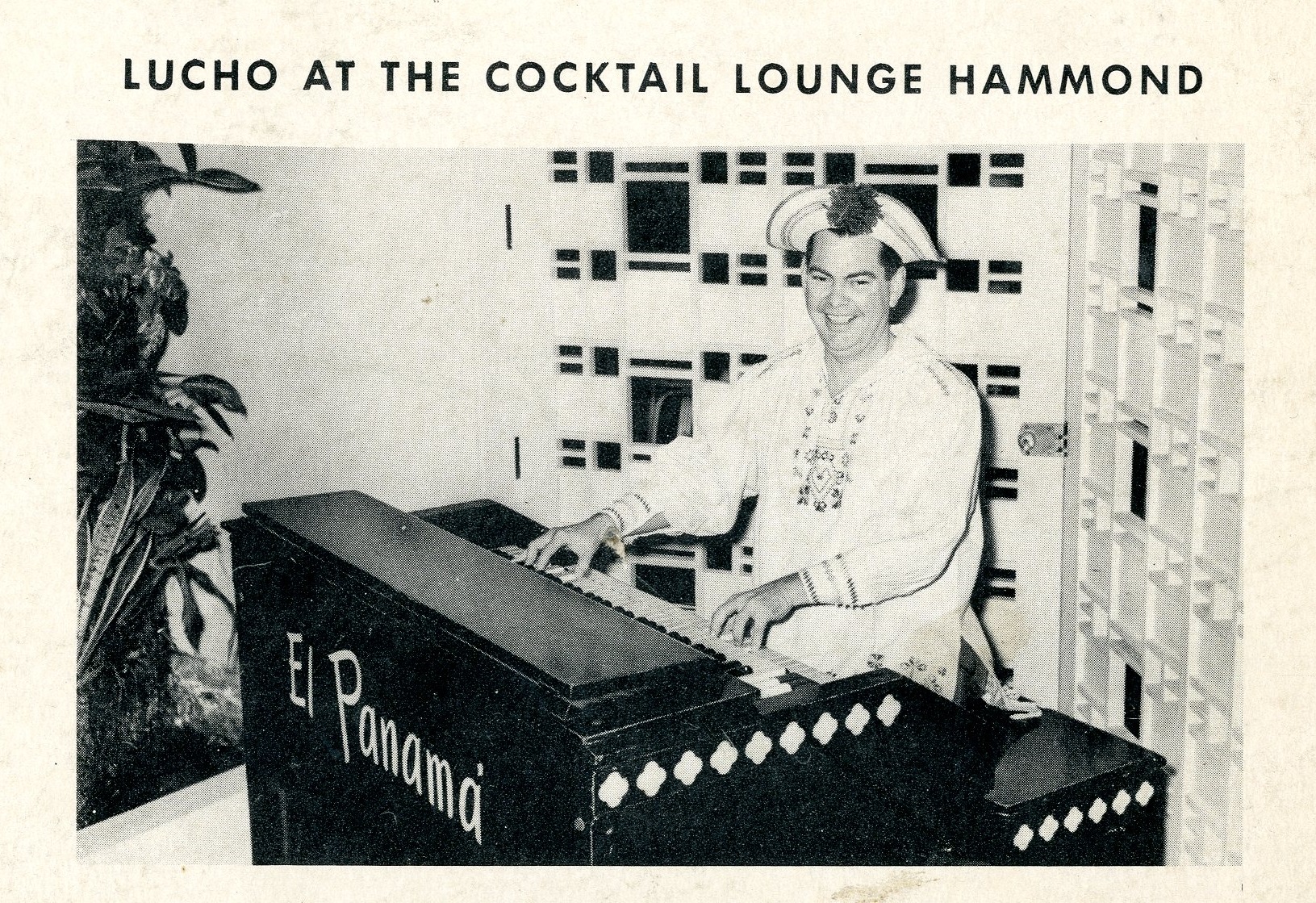
This final post of the “Twenty-Five” series celebrating the 25th anniversary of the Panama Canal Museum and their continued support after the collection came to the University of Florida, was also inspired by Don Randel’s oral history interview and a story he told about taking lessons from Lucho. (See the previous post that includes clips from Don’s interview about his family’s business in Panama City and sports.)
Listen to Don’s wonderful story about taking lessons from Lucho in the clip below. You can also visit the digital collection to hear his full interview.
Use the left and right arrows to view the two photos of El Panama Hilton.

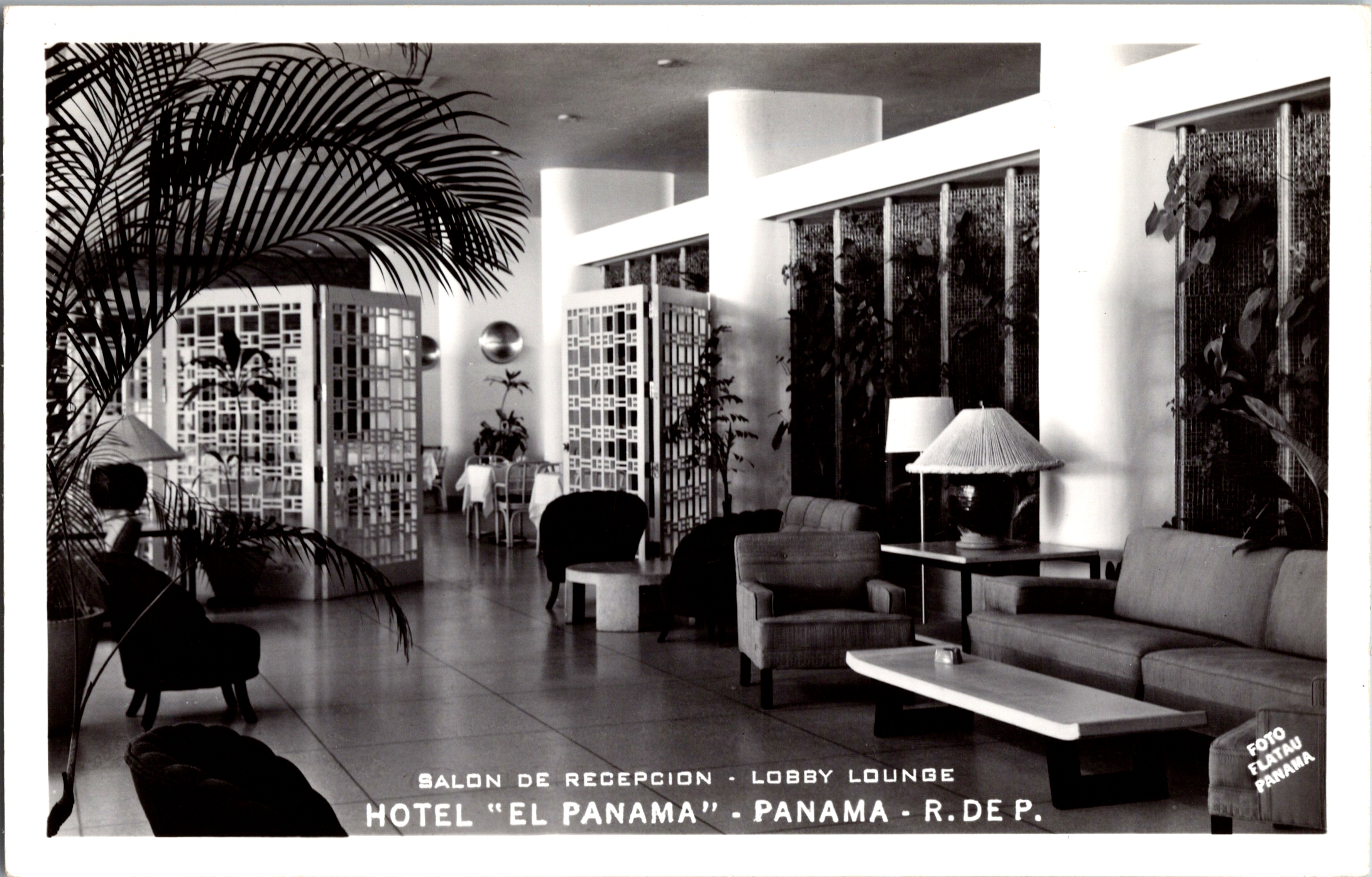

Don also mentions some of the other people in the music and theater worlds of Panama that he remembers or that had an impact on his life and career. Use the arrows at the left and right to move through the slideshow of people that Don mentions. Do you have memories of them as well?

Victor Herr (and Don Randel on the bottom left), Zonian, Balboa High School Yearbook, 1957 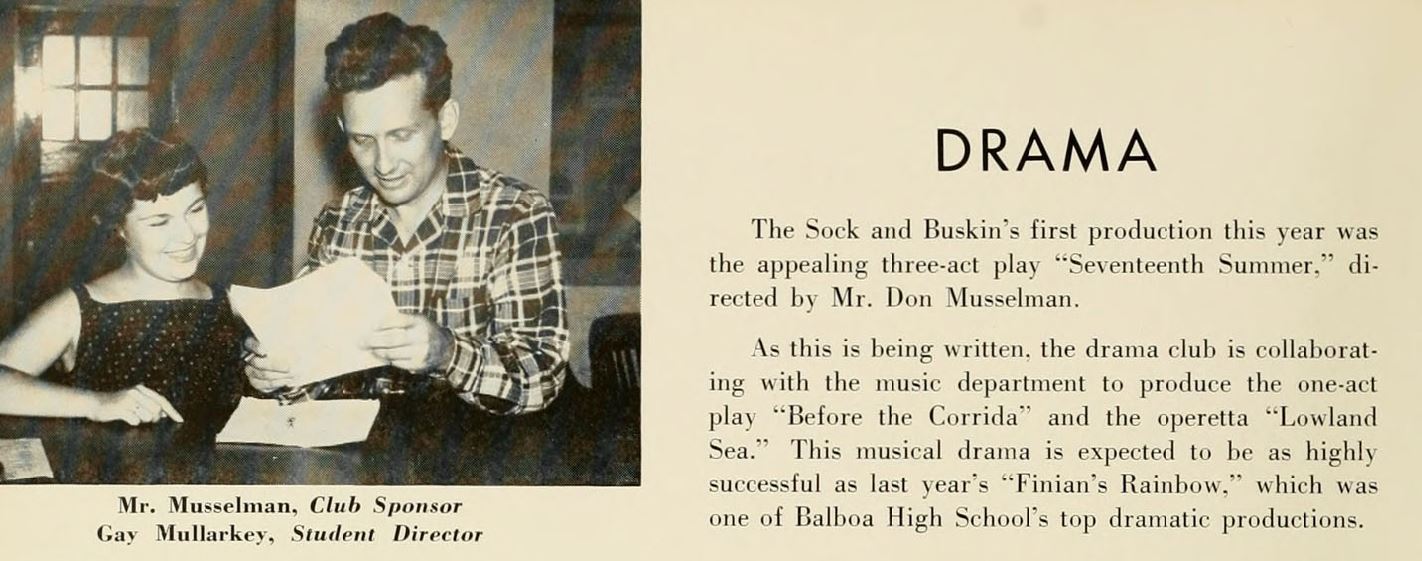
Don Musselman, Zonian, Balboa High School Yearbook, 1957 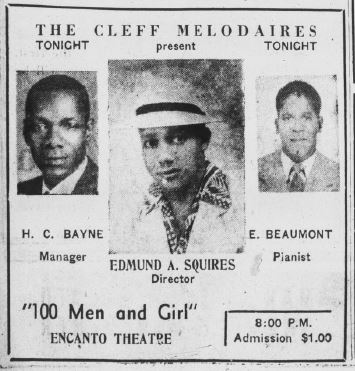
Emile Beaumont (Don’s piano teacher), Panama American, September 1944 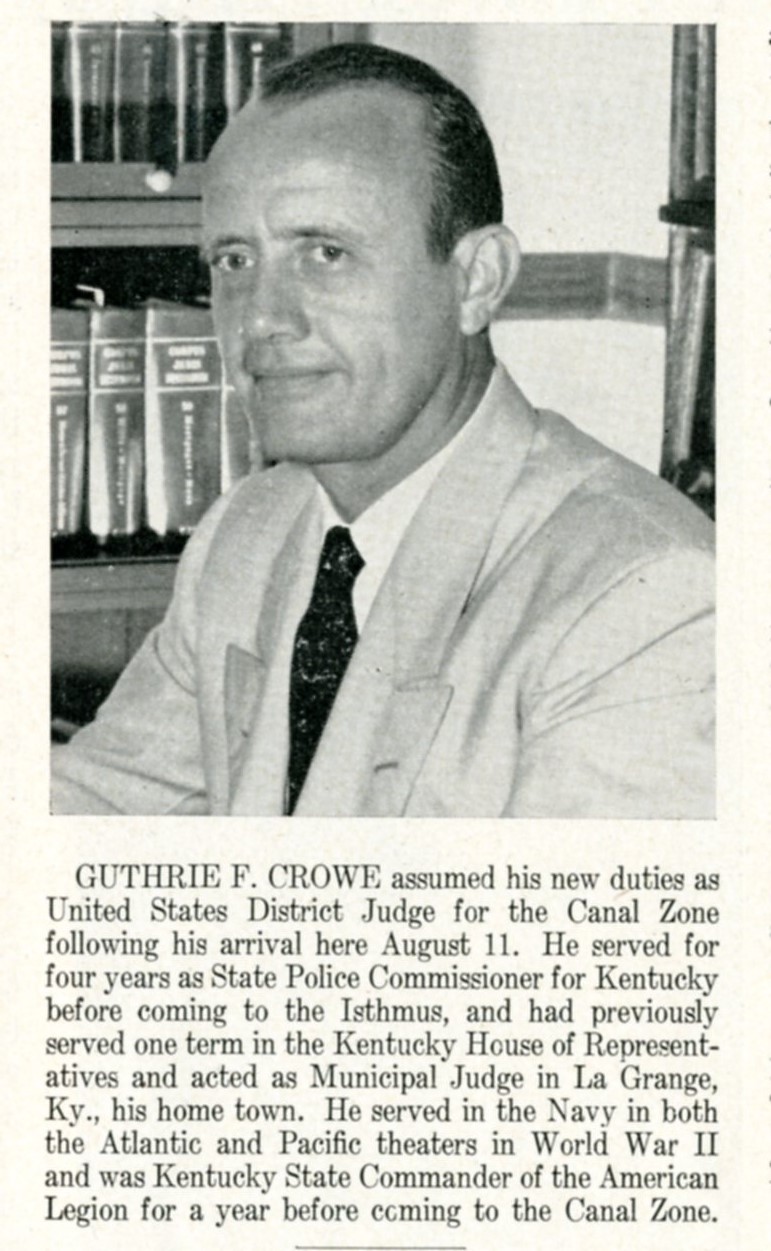
Judge Guthrie Crowe, Panama Canal Review, September 1952 
Dolores Leacock (Pianist), Panama American, April 13, 1956 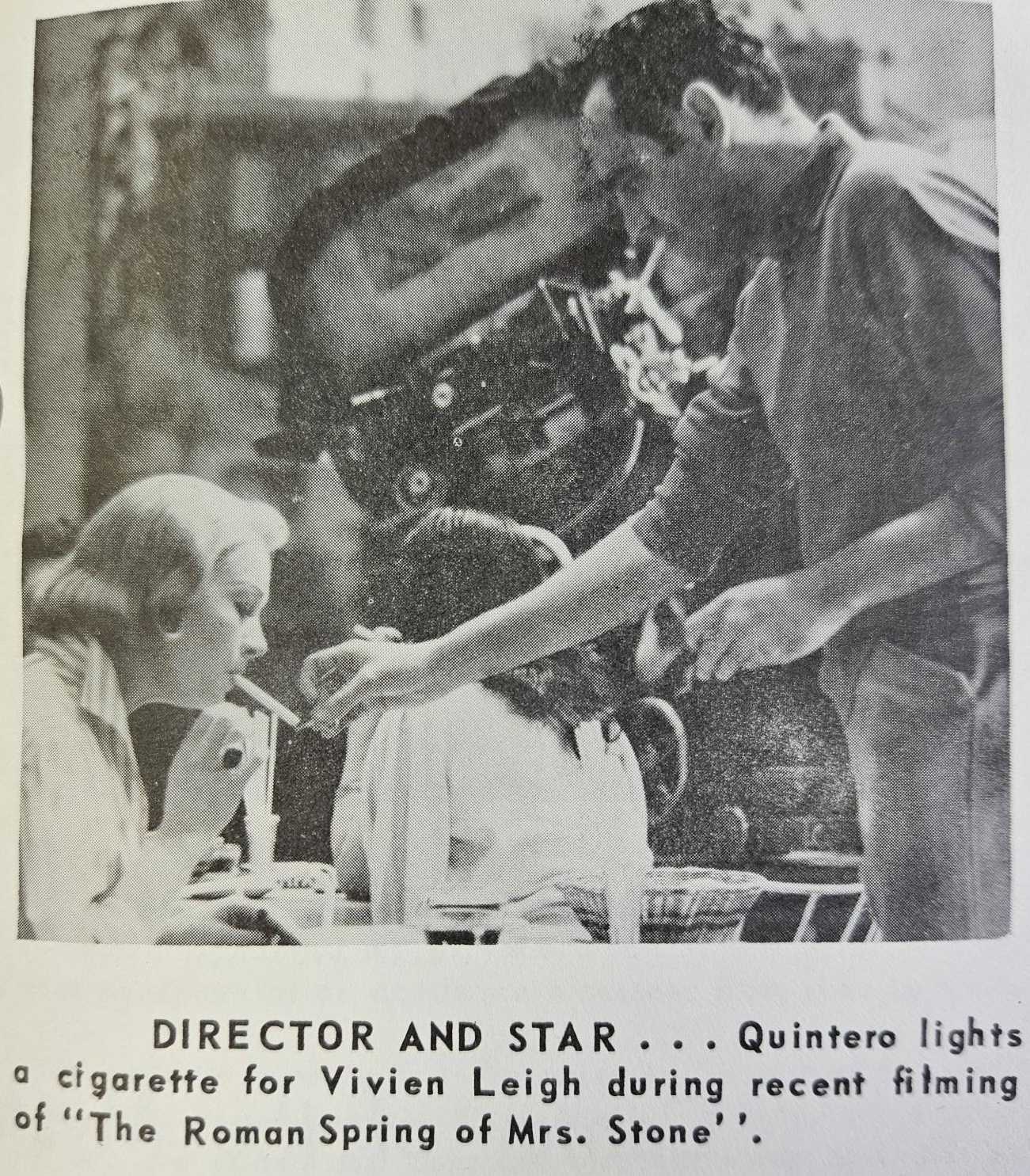
Jose Quintero and Vivien Leigh (Scarlett in Gone with the Wind), Panama This Month, January 1962
Amador didn’t have all the fun.

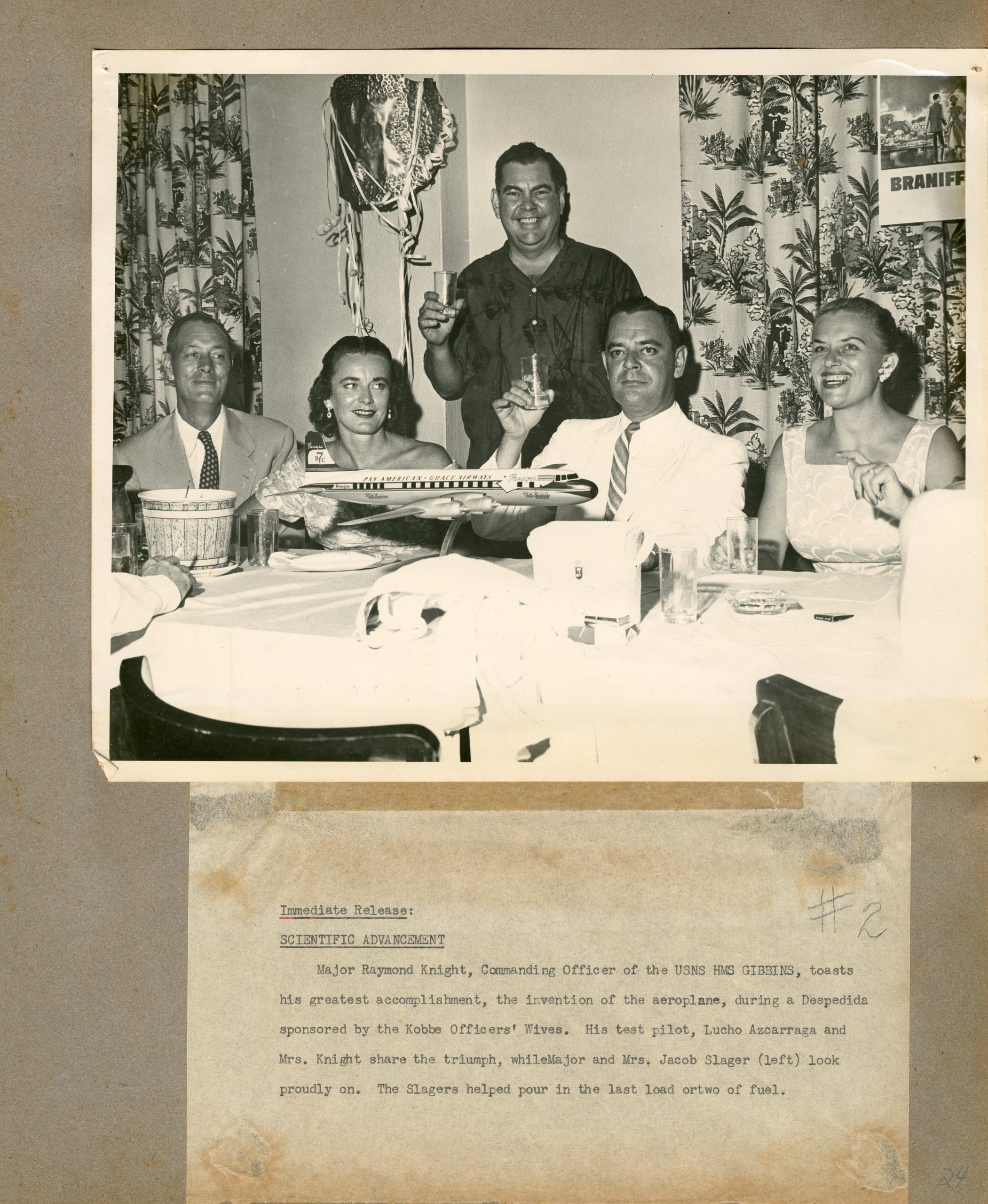
Frank Baldwin also told a unique story about Lucho in his “Memoirs of Panama and the Canal Zone.”
“My father married Lea Azcarraga, who was one of Lucho Azcarraga’s older sisters. She was born in
David, province of Chiriqui. She was one of the first women in Panama to drive a car, smoked and
played golf. She was one of the first Panamanians to learn to speak English, too. She lived in Panama
City by Simon Bolivar Plaza where Teatro National is, and worked for the Red Cross before marrying.
One year my brother and I went to the US with my father and mother. Lucho came with us, but my
father left him in New York while we went to Canada where he had arranged for Lucho to take
classes from Lew White at the Roxy Theater, which was very famous. In those days, they didn’t have
talking movies, so they had organs and pianos playing in the different theaters. Lew White was so
impressed with Lucho that he called a fellow named Jesse Crawford from the Paramount Theater to
listen to him. When we returned, my father tried to pay but they wouldn’t take the money because
they wanted Lucho to stay to play in one of the theatres. But Lucho was only 17, and wanted to
go home. Lucho had played music like the Tango, Danzón and all the Latin music for these famous
organists, and they were fascinated because they had not heard it that way before. Lucho was five
years older than I was. When I was 15 years old I played in Lucho’s orchestra. In those days it wasn’t
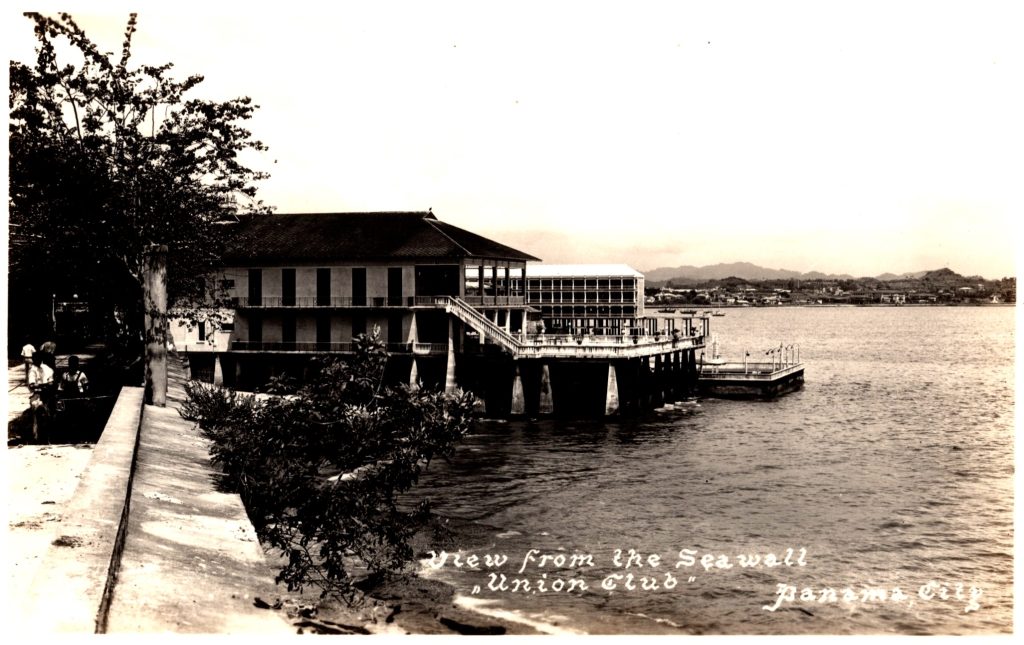
an orchestra, it was a “combo”, and I played the clarinet at the old Union Club. My father would
drop me off, and then Lucho would take me home later.” – Frank A. Baldwin
Lea Azcarraga sounds pretty interesting. We would love to know more about her too.
Frank Townsend and Sydney Townsend Corbett highlight Lucho and others in their write-up The Music Makers 2022 – Lucho, Papito, Leroy, Mario, Tito, and Frank. They talk about the joy of dancing to music in Panama and the thrill of once again experiencing live Panamanian music at the Panama Canal Society Reunions each year. Read their story in the digital collection by clicking here or download a PDF below.
Lucho was born in 1912, two years before the Canal was even finished!

Did you know that in addition to the organ Lucho played the accordion? If you listened to the clip of Don Randel’s interview you do.

Share a comment about your favorite Lucho moment and enjoy this gallery of some of his album covers.


This post is part of our fall focus on the important work of the Panama Canal Museum and on the oral history program they began and which continues today. This year is the 25th anniversary of the founding of the Panama Canal Museum in 1998. The museum operated for 14 years in Seminole, Florida, before closing in July 2012 and transferring its collection to UF. The successes achieved by the museum paved the way for the PCMC to develop as a preeminent research collection for the study of the American era of the Canal. For more information on the history of the Museum, please visit go.ufl.edu/pcm
Between now and the end of December, we are celebrating this 25th Anniversary and hope to honor their hard work as well as that of our Friends of the PCMC group by adding $13,000 to the $12,000 that was raised by this year’s Silent Auction for a total of $25,000 – $25,000 for 25 amazing years!
If you would like help us reach the goal please donate here: https://pcmc.uflib.ufl.edu/oralhistory/. All funds will go to support the PCMC oral history program.

One Comment
Rick Lee
Time warp. I remember this Christmas tradition of, as a teen in the early 70’s, going over to the Azcarraga’s home and exchanging seasons greetings with family. We sat around this same organ and “did Christmas” with our cousins. As I recall Lucho was present. He and Frank (my uncle) would each capture our attention at that organ on those Christmas Days.